Solar Green Solutions UK›
5.0 21 reviews
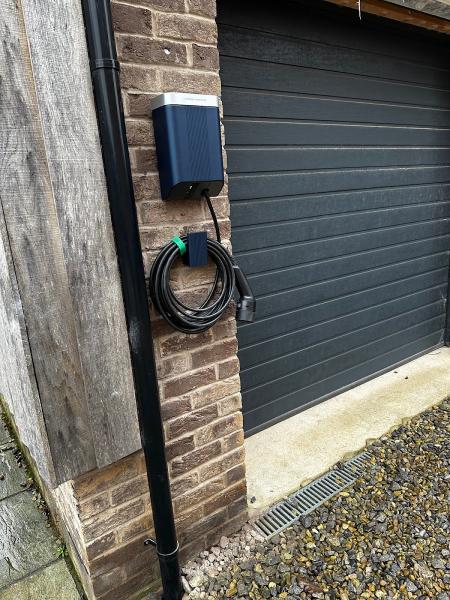
“Cant fault Solar Green at all, survey for EV charger carried out very quickly, price was spot on and very reasonable for a quality product which was installed quickly. Everyone was very helpful and professional and the installer Tom was really helpful. All in all Aaron and his team were superb. Thank you”
FAQs
What size solar battery do I need?
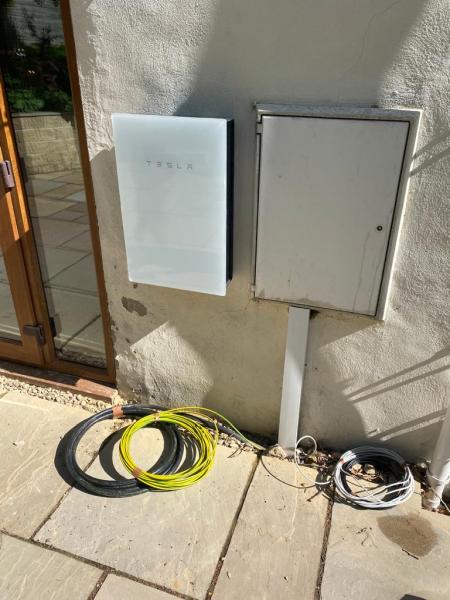
The size of solar battery you need will depend on your energy needs and your budget. If you are looking to reduce your electricity bill, you will need a smaller battery than if you are looking to power your home during a power outage or live off-grid. To determine the size of battery you need, you will need to calculate your energy consumption. Once you have your energy consumption, you can use a solar battery calculator to determine the size of battery you need.
What are the different types of EV chargers?
There are three main types of EV chargers: Level 1 chargers: These chargers are the slowest, but they are also the most common. They can be plugged into a standard household outlet and provide up to 1.4 kW of power. This can add up to 5 miles of range per hour. Level 2 chargers: These chargers are faster than Level 1 chargers, but they require a dedicated 240-volt outlet. They can provide up to 19.2 kW of power, which can add up to 40 miles of range per hour. Level 3 chargers: These chargers are the fastest, but they are also the least common. They are typically found at public charging stations and can provide up to 350 kW of power. This can add up to 250 miles of range in just 30 minutes.
Where can I find EV chargers?
EV chargers are becoming increasingly common, and they can now be found at a variety of locations, including: Homes Businesses Parking garages Shopping malls Rest areas Public parks You can use a variety of websites and apps to find EV chargers near you.
What are the benefits of commercial solar?
There are many benefits to commercial solar, including: Reduced energy costs: Solar can help businesses save significantly on their electricity bills. Increased energy independence: Solar can help businesses reduce their reliance on the grid and become more energy independent. Improved sustainability: Solar is a clean and renewable energy source that can help businesses reduce their carbon footprint and improve their sustainability. Tax credits and incentives: There are a number of tax credits and incentives available for commercial solar projects. Increased property value: Studies have shown that commercial properties with solar panels are worth more than those without.
What are the different types of commercial solar systems?
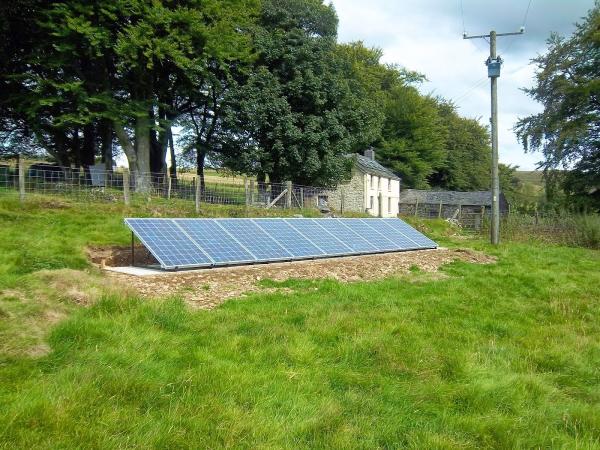
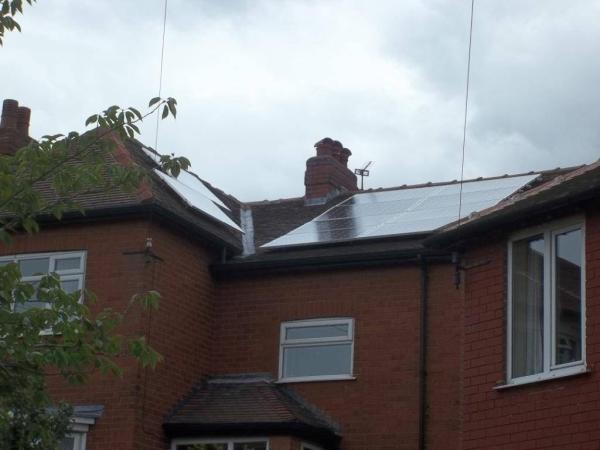
There are two main types of commercial solar systems: Rooftop solar: Rooftop solar systems are mounted on the roof of a commercial building. Ground mount solar: Ground mount solar systems are mounted on the ground next to a commercial building.
We do have more answers on the FAQ page on our website.
i